
Hip Problems
For Austin, Texas patients, dealing with hip problems and discomfort can be frustrating. At ATX Orthopedics, located in Central Austin, Dr. Sean Gallagher is here to help patients work to relieve the pain beneficial exercises and surgery when needed.
Hip Pain Q&A
What causes hip pain?
While the joint which constructs the hip is created to withstand repeated motion, the joint is not unbreakable and it can be aggravated or damaged by several illnesses and injuries. The joint is referred to as a ball-and-socket joint. It is made up of a socket in the pelvis bone where the rounded head of the femur interlocks providing movement. Ball-and-socket joints can be rotated in a complete circle and cartilage cushions the inner portions against wear and tear.
What are the symptoms associated with hip problems?
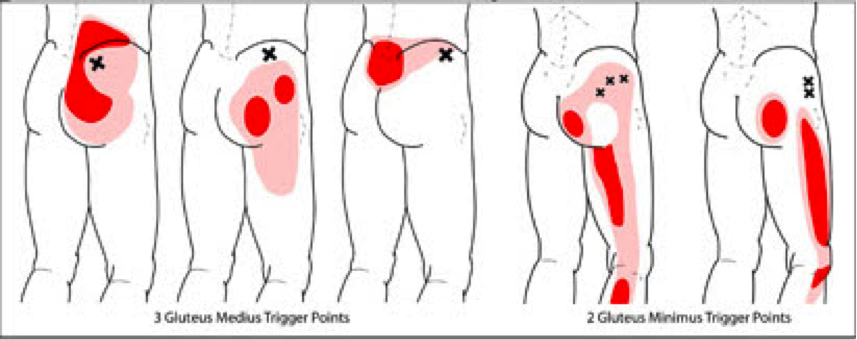
Discomfort is often a major side effect and can be very in the:
- Thigh
- Groin
- Buttocks
- Inside or outside of hip joint
Back and groin discomfort, including that which is caused by a hernia, can travel down to the hip as well. Pain can also get worse when the individual is active, particularly when it is the result of arthritis. When the pain is ongoing, some patients will suffer with a reduced range of motion and particular individuals can even limp.
What treatments are used for hip problems?
When the pain is the result of arthritis or a muscle or tendon strain, stretching and moving the joint can be very helpful. Low-impact activities and focus on resistance training can regain strength and range of motion. Several physicians recommend using a pool to exercise as it will not put additional strain on the joint. If surgery is required to fix the issue, a new joint is often installed into a hip which hasn’t responded to treatment and after the procedure physical therapy exercise can help to build up or maintain muscle strength and flexibility in the joint. If the pain is chronic, patients notice warmth at the joint, redness, or inflammation contact the practice right away. Patients should also call the office if the hip pain takes place or worsens when resting or at night.