Knee Home Exercise Program in Austin, TX – ATX Orthopedics
This knee home exercise program from ATX Orthopedics in Austin, TX guides patients through essential exercises after total knee replacement — helping rebuild quadriceps strength, range of motion, and function.
If you are recovering from knee replacement surgery in Austin, TX, your home exercise program is a critical component of a successful outcome. Dr. Sean Gallagher and the ATX Orthopedics team have developed this knee home exercise program to help patients in Austin, Round Rock, Georgetown, and throughout the Central Texas region regain strength, reduce pain, and restore function after total knee replacement. Performing these exercises consistently will help ensure the best possible recovery.
4x daily sets of 10-15, PHONE ALARM REMINDERS HELP!
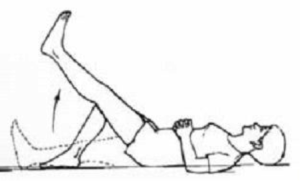
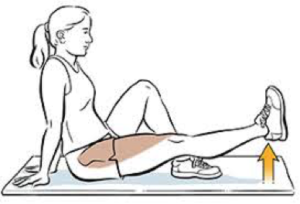
STRAIGHT LEG RAISES SEATED AND LYING for Quad strengthening and Hip flexor strengthening
![]()
![]()
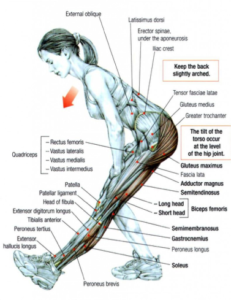
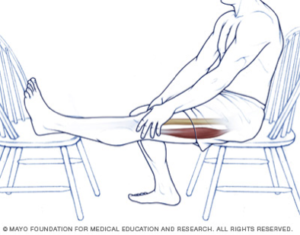
HAMSTRING STRETCHING SEATED OR STANDING moving back of knee (insertion) from ischial tuberocity (origin)
![]()
![]()
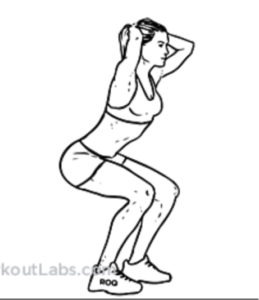
QUARTER (1/4 BEND) SQUATS for CLOSED CHAIN QUAD STRENGTHENING
![]()
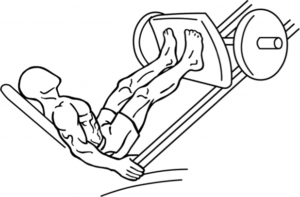
QUARTER (1/4 BEND) LEG PRESS for CLOSED CHAIN QUAD STRENGTHENING
![]()
Have questions about your knee recovery or want to schedule a follow-up with Dr. Gallagher? Learn more about knee replacement at ATX Orthopedics or call our Austin orthopedic clinic at (512) 960-4590.
Why Your Knee Home Exercise Program Matters
After total knee replacement surgery, the work you do at home is just as important as what happens in the operating room. The surgical procedure replaces the damaged joint surfaces, but it is the diligent, consistent performance of your home exercise program that restores the muscle strength, range of motion, and functional mobility you need to return to daily activities, walking, and recreational pursuits. Research consistently shows that patients who follow their post-operative exercise protocols closely have better functional outcomes, less stiffness, and higher satisfaction scores at one year after surgery compared to those who are less adherent.
The Importance of Quadriceps Strengthening
The quadriceps muscle group — the four large muscles on the front of the thigh — is the primary driver of knee extension and stability during walking and stair climbing. After total knee replacement, quadriceps strength is significantly reduced due to surgical approach, post-operative swelling, and reduced activity. Rebuilding quadriceps strength through straight leg raises, quad sets, and progressive weight-bearing exercises is the cornerstone of early knee replacement rehabilitation. The straight leg raise exercise listed above is particularly important because it activates the quadriceps without placing stress on the healing incision or the implant itself.
Range of Motion Goals
Achieving adequate knee flexion (bending) and full extension (straightening) in the weeks following surgery is critical to long-term function. Most patients need at least 90 degrees of flexion to climb stairs, approximately 110 degrees to rise comfortably from a low chair, and 120 degrees or more for most recreational activities. Full extension — getting the knee completely straight — is equally important for normal gait and preventing long-term problems with walking mechanics. The heel prop and prone hang exercises in your program are specifically designed to encourage full extension. If you are struggling to achieve these range-of-motion targets, contact our office promptly so we can address any stiffness early.
Tips for Staying Consistent
The recommended frequency of four times per day reflects the need for repetitive, progressive neuromuscular activation to rebuild strength effectively. Setting phone alarms is one of the most effective ways to stay on schedule. Perform your exercises in a comfortable, supportive chair or on a firm bed as appropriate for each exercise. Apply ice for 15 to 20 minutes after your exercise sessions to manage post-exercise swelling. If you have significant pain during exercises, contact our office — some discomfort is expected, but sharp or severe pain may indicate a need for modification. Keep a brief daily log of your exercises and any symptoms to share at your follow-up appointments with Dr. Gallagher.
When to Contact ATX Orthopedics
Contact our office promptly if you experience sudden increased swelling or warmth in the knee, drainage or changes at the incision site, fever above 101°F, calf pain or swelling (which may indicate a blood clot), or if you feel something has shifted or changed in the joint. Routine questions about your exercise program can be directed to our clinical staff by calling ATX Orthopedics at 512-960-4590. We are here to support your recovery every step of the way.
Related Articles & Resources
Written by
Orthopedic Surgeon | Hip & Knee Specialist
Dr. Sean Gallagher is a board-eligible orthopedic surgeon specializing in hip and knee replacement, ACL reconstruction, and sports medicine. He performs the majority of surgeries at Pinnacle Surgery Center of Austin. View full bio →