Ankle Home Exercise Program in Austin, TX – ATX Orthopedics
This ankle home exercise program from ATX Orthopedics in Austin, TX provides guided exercises to restore ankle strength, flexibility, and stability after ankle surgery or injury.
Ankle Home Exercise Program in Austin, TX – ATX Orthopedics
This ankle home exercise program is provided by Dr. Sean Gallagher, MD at ATX Orthopedics in Austin, TX. The exercises below are designed to restore ankle strength, range of motion, and proprioception following ankle injury, surgery, or as part of an ongoing conditioning program. Perform these exercises as directed by your provider. If you have questions about your specific rehabilitation program, contact our office.
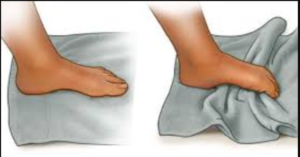
Toe Curls
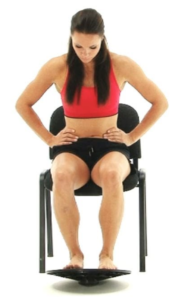
Wobble board for Proprioceptive Feedback
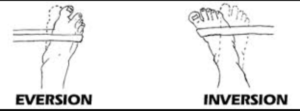
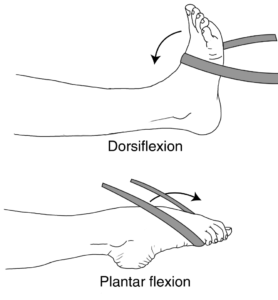
Theraband Strengthening
Questions About Your Ankle Recovery?
Dr. Sean Gallagher at ATX Orthopedics in Austin, TX provides comprehensive care for ankle injuries, fractures, and post-surgical rehabilitation. Most procedures are performed as outpatient cases at Pinnacle Surgery Center of Austin. Contact us to schedule an appointment.
Why a Home Exercise Program Is Critical After Ankle Surgery or Injury
The ankle is a complex joint that depends on a careful balance of muscle strength, tendon flexibility, and proprioceptive (balance) awareness to function properly during walking, running, and everyday activities. After ankle surgery — including ankle fracture repair, ankle ligament reconstruction, or Achilles tendon repair — or following a significant ankle sprain, a structured home exercise program is essential to achieving a full recovery. Without regular, progressive exercise, the ankle is prone to stiffness, chronic weakness, and recurrent instability.
Phases of Ankle Rehabilitation
Ankle rehabilitation is typically divided into three progressive phases. The first phase focuses on reducing pain and swelling while gently restoring range of motion through controlled movements. Common exercises in this phase include ankle alphabet tracing, gentle dorsiflexion and plantarflexion (pumping the foot up and down), and ankle circles. The second phase introduces progressive strengthening using resistance bands (therabands), calf raises, and balance exercises. The third phase advances to functional activities such as single-leg standing, dynamic balance challenges, and sport-specific or activity-specific drills as appropriate. The exercises provided above represent a standard progression that your provider may customize based on your specific diagnosis and recovery stage.
Tips for Getting the Most Out of Your Ankle Home Exercise Program
Consistency is the most important factor in ankle rehabilitation. Performing your exercises as directed — typically four times per day with sets of 10 to 15 repetitions — creates the repetitive neuromuscular stimulus needed to rebuild strength and proprioception. Setting phone alarms at regular intervals throughout the day is one of the most effective strategies for staying on schedule. If you experience sharp pain, significant increased swelling, or a feeling of instability during any exercise, stop and contact our office. Mild muscle ache after exercise is expected and normal.
When to Begin and When to Progress
Your provider will give specific guidance on when to start each exercise and when to progress to more challenging activities. In general, non-weight-bearing exercises such as range-of-motion drills and theraband strengthening can begin early in recovery, while weight-bearing activities such as calf raises and balance exercises are introduced once you have clearance to bear weight on the ankle. Do not rush the progression — tendons, ligaments, and bone healing follow biological timelines that cannot be safely accelerated. If you are unsure whether you should be doing a particular exercise, contact ATX Orthopedics before proceeding.
Additional Resources and Follow-Up Care
This ankle home exercise program is designed to supplement — not replace — any formal physical therapy you may be attending. Many patients benefit from working with a physical therapist in addition to performing their home program, particularly in the early weeks following surgery. Your therapist can monitor your technique, provide manual therapy to address stiffness, and adjust your program based on your progress. If you have not yet been referred to physical therapy and feel that you would benefit from more hands-on guidance, please let us know at your next appointment. For questions about your ankle rehabilitation program or to schedule a follow-up with Dr. Sean Gallagher at ATX Orthopedics in Austin, TX, call us at 512-960-4590.
Related Articles & Resources
Written by
Orthopedic Surgeon | Hip & Knee Specialist
Dr. Sean Gallagher is a board-eligible orthopedic surgeon specializing in hip and knee replacement, ACL reconstruction, and sports medicine. He performs the majority of surgeries at Pinnacle Surgery Center of Austin. View full bio →